Food packaging is one of the most essential aspects of the food industry, playing a critical role in product safety, quality, convenience, and marketing. 食品包裝印刷 proper packaging, even the freshest and most nutritious food items can lose their value before reaching consumers. Over time, packaging has evolved from simple protective wrappings to advanced, sustainable, and smart solutions that meet the demands of modern lifestyles. Understanding the importance of food packaging involves looking at its functions, materials, environmental impact, and future innovations.
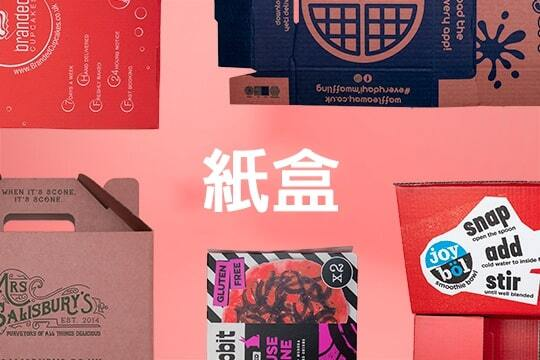
Food packaging primarily serves the role of protection. From farm to table, food undergoes a long journey that includes harvesting, transportation, storage, and distribution. Along the way, it faces threats such as contamination, physical damage, moisture, oxygen, and light exposure. Packaging creates a barrier between food and these external elements, preserving freshness and extending shelf life. For instance, vacuum-sealed meats last significantly longer because packaging prevents oxygen from fueling bacterial growth. Similarly, cartons and plastic wraps shield perishable items from contaminants, ensuring that consumers receive safe, high-quality food.
Another vital role of food packaging is convenience. Today’s fast-paced lifestyles demand ready-to-eat meals, portable snacks, and portion-controlled items. Packaging makes food more accessible by offering resealable pouches, microwavable containers, and easy-to-open lids. Single-serve yogurt cups, bottled beverages, and snack packs allow people to consume food anywhere, anytime. Moreover, packaging design often caters to specific audiences, such as children’s lunchboxes featuring fun, colorful graphics or bulk packaging for families that want cost savings. This balance of functionality and convenience adds tremendous value to the consumer experience.
Marketing and branding are also deeply tied to food packaging. In a crowded marketplace, packaging is often the first point of contact between a product and a potential buyer. Eye-catching designs, unique shapes, and clear labeling help products stand out on shelves. Beyond aesthetics, packaging communicates vital information such as nutritional content, expiration dates, and allergen warnings. Modern consumers are increasingly health-conscious and environmentally aware, so transparent labeling builds trust and influences purchasing decisions. For example, packaging that highlights “organic, ” “gluten-free, ” or “sustainably sourced” appeals to specific target markets and strengthens brand identity.
The materials used in food packaging vary widely and have evolved over time. Traditionally, glass jars, metal cans, and paper wrappings were common. While still in use, they have been supplemented by plastics, composites, and biodegradable alternatives. Plastics dominate the market due to their versatility, light weight, and low cost. However, their environmental impact has raised concerns, leading to growing demand for eco-friendly packaging. Biodegradable films, recyclable cardboard, and plant-based plastics are gaining popularity as sustainable options. Innovations like edible packaging, made from seaweed or rice, aim to reduce waste entirely while offering creative solutions for the future.
Sustainability is perhaps the biggest challenge and opportunity in modern food packaging. Plastic pollution has become a global crisis, with millions of tons ending up in oceans and landfills. As a result, governments, businesses, and consumers are pushing for greener alternatives. Companies are investing in circular packaging systems, where materials can be reused or recycled efficiently. For example, refillable glass milk bottles are making a comeback in some regions, while compostable coffee cups are increasingly common. Moreover, sustainable packaging goes beyond materials—it involves reducing excess packaging, optimizing supply chains, and designing for recyclability. Balancing environmental responsibility with product protection remains a central goal for the food industry.
Technology has also transformed food packaging, giving rise to smart and intelligent solutions. Smart packaging includes features such as freshness indicators, QR codes, and temperature-sensitive labels. These innovations provide real-time information about the condition of food, improving safety and reducing waste. For instance, color-changing labels can alert consumers if meat has spoiled, while QR codes offer detailed product histories and traceability. In the age of digital shopping, packaging is becoming a gateway for consumer engagement, connecting physical products with online platforms through augmented reality and mobile apps.
Food safety regulations further underscore the importance of packaging. Governments and international organizations enforce strict standards to ensure that packaging materials do not release harmful chemicals into food. Regulations also mandate accurate labeling to protect consumers from allergens and misleading claims. Compliance with these standards not only safeguards public health but also protects companies from legal risks and reputational damage. As food supply chains become increasingly global, harmonized packaging standards are essential to facilitate safe trade and consumer trust across borders.
The future of food packaging lies at the intersection of innovation, sustainability, and consumer demand. Researchers are exploring nanotechnology to create packaging with enhanced barrier properties, antimicrobial coatings, and extended shelf life. 3d printing is being tested for customized packaging solutions that reduce waste and adapt to specific needs. Moreover, the rise of e-commerce and food delivery services is driving demand for packaging that is both protective and eco-friendly, ensuring that meals arrive fresh and intact while minimizing environmental impact.
Cultural and regional differences also shape the way food packaging is designed and perceived. In Japan, packaging is often seen as an art form, with intricate designs and multiple protective layers that emphasize respect for the product. In contrast, Western markets are increasingly focused on minimalism and sustainability, with “no-frills” packaging that reduces waste and highlights authenticity. Understanding these cultural perspectives is crucial for global food brands seeking to resonate with diverse consumer bases.
Ultimately, food packaging is more than just a container—it is a vital link between producers and consumers, combining science, design, and marketing. It ensures food safety, enhances convenience, supports branding, and responds to environmental challenges. While the industry faces significant pressure to reduce its ecological footprint, innovations in materials and technology promise a more sustainable future. Consumers, too, play a role by making conscious choices and supporting brands that prioritize responsible packaging. As we look ahead, the evolution of food packaging will continue to shape the way we eat, shop, and live, reflecting the dynamic relationship between human needs, industry practices, and environmental stewardship.