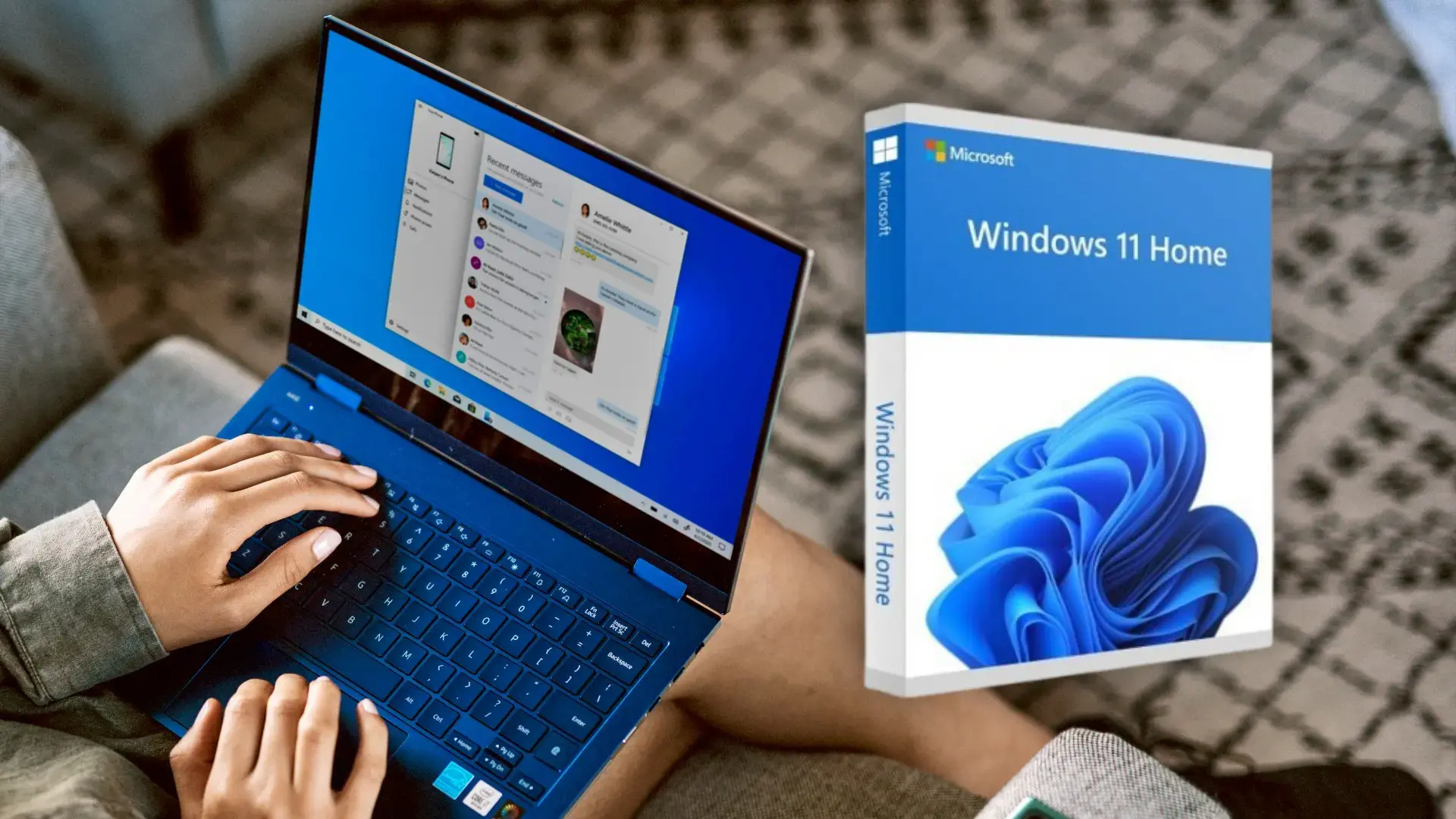
Windows Security Vs. Third-Party Software: Norton, Kaspersky Or Defender? The Development Of A Cohesive Digital Defense Strategy
It’s no longer an easy task to compare antivirus engines. It is a foundational choice about how you manage your entire digital environment–from your operating system license to your productivity software. The decision you make is connected to other critical choices. For instance, if you bought an official Windows license key or a suspect grey-market one, or if you use a standalone office licenz subscription or a standalone office licence. The best security method creates harmony across your entire software estate. However the wrong choice could cause serious gaps and conflict. This guide will help you understand the 10 essential and often-overlooked aspects that connect your security decisions to your licensing systems management, licensing, and other methods.
1. Defender’s Deep OS Integration – Your first firewall is licensing legitimacy
Windows Security (Defender) is not a separate product; it is a core part of a legitimate Windows 11 installation. Its reliability and effectiveness is directly tied to the validity of your “windows lizenz”. It is not possible to trust Defender’s security updates and threat intelligence feeds if activated Windows using an non-official “windows home key” from a black market “windows11 purchase” site. Microsoft could disable or limit the availability of services for versions that are not genuine. You should always ensure your OS licenses are valid and digitally linked to your hardware as a primary security measure.
2. The “Windows 7 Mindset” is a Critical Security Risk.
Upgrades from Windows 7 are often accompanied by a dangerous assumption. Many users believe that antivirus software from third parties is essential. In the Windows 7 days, this was absolutely true. Windows 11 Defender is today a cloud-backed, top-tier security software. If you are accustomed to installing Norton 360 or something similar to it on the new Windows 11 computers, resource conflict can arise as they both fight for low level system control. Modernity demands that you first check the functionality of Defender. This may help you save money on fees for subscriptions as well as system overheads in the event that all your Windows software updates and licensing are in good condition.
3. Bloatware, OEM System Nuances, and Conflicts.
New PCs are typically equipped with trialware, especially those that have pre-installed Windows 11 OEM licenses. This creates a conflict. Before activating another security solution you should uninstall the previous security program completely. It is essential to remove all trials from your new OEM system before deciding whether you’d prefer to keep Defender running or switch to your preferred software, such as kaspersky. Inability to remove these trials could cause system instability, performance loss and a partial deactivation of both options.
4. Kaspersky Premium: The Architecture of Control
Kaspersky premium is the highest level of third party suites. This high-end product offers complete control over all aspects of protection for your system, network monitoring, as well as privacy. Its power shines through in complicated setups. If your network is equipped with an “windows 2025” server for backups or file storage and storage, then a unified management console is required (often distinct from Kaspersky consumer products). Kaspersky’s deep technical control is synergistic in the Windows 11 Pro environment, where local policy can be tuned to maximize the security performance and minimise interruptions to power users.
5. Norton 360 Ecosystem Play Beyond Antivirus.
The ‘Norton 360’ network has grown to become a digital security ecosystem. Its value proposition includes an integrated VPN and dark-web monitoring to protect personal information, and cloud backup. It is an excellent choice for users that have an inefficient system, for example users with an office lizenz that is standalone (perpetual) with no Microsoft 365 subscribtion. Norton can help fill in any gaps (backups as well as privacy) created by Microsoft’s integrated ecosystem (OneDrive Defender Edge protections).
6. The Interplay between Office Licensing, Macro Security and Office Licensing.
Your productivity software could be a significant threat vector. No matter if you have an ongoing “office lizenz” or use an alternative suite from a third party, Defender and Office 365 both offer an extensive integration for scanning documents and macros. Third-party software suites offer greater control over Office applications, macro behavior and other functions. Kaspersky Premium offers more manageable and clear controls for the more complicated Office documents, especially when your workflow is heavily dependent on sources external to Office documents. This is a more secure approach as opposed to Defender’s automated, opaque method.
7. Business Security Divide: CALs against Centralized Management.
In environments running “Windows Server 2025” and requiring Client Access Licenses (cals), the discussion about security is completely different. Windows 11 Pro can be managed centrally through Microsoft Defender for Endpoints and Intune. Third-party software needs an own management console, and licensing. It’s not about which detection engine is better or more effective, but rather how it integrates seamlessly with your existing IT framework. Administrative overheads of a disjointed IT security system can be greater for a business than any minor benefit in detection rate.
8. Resource Consumption vs. System Licensing Tier.
Defender is “lighter”, a myth that is widely held to be true. If properly configured, a modern software like Norton 360, or Kaspersky Premium will be highly optimized. The real performance difference is usually the Windows license beneath and the reliability of your system. When you’re using a grey market OS and outdated drivers or conflicting software every security program is impeded due to a fragmented and unreliable system. Windows 11 Home or Professional lizenz, in conjunction with a stable, clean system, is the best base for both Defender and third-party security software.
9. The Update Dependency Chain One point of failure
Security software is only functional in conjunction with the latest update. Defender’s update mechanism is dependent on Windows Update. This chain could be broken if you’ve corrupted Windows or a license that is not valid. Third-party software suites keep their own separate updates channels. This can be a benefit on a system that is susceptible to instability. However, it also adds another background process. The decision you make could be based on how much confidence you have in the integrity and stability of Windows.
10. Designing a Coherent Defence-in-Depth Strategy.
The main goal isn’t just to pick “a winner,” but to create an integrated and well-layered defense that has minimal overlap. If you have a valid Windows 11 Retail license, and a Microsoft 365 subscription (for Office), and who uses Edge and OneDrive, Windows Defender forms the cohesive foundation of a fully integrated defense. In most cases, the addition of a complete third-party package is unnecessary. However, users who have a mix of software (e.g., Windows 11, Google Chrome, standalone Office) might benefit from the all-encompassing, browser-independent protection and digital privacy tools offered by a suite like Norton 360. You should choose an antivirus solution that is seamlessly integrated into your licensing and software. This creates one, unifying protection, not a series of competing security tools that overlap. Follow the top rated windows 11 home key for site recommendations including microsoft ms office 2016, microsoft visio software, microsoft office with key, windows server os, ms visio, windows server 2016 os, office 2016 software, office 2016 software, key 365 office, microsoft 365 key and more.
Understanding Windows Server 2025 Client Licenses For Businesses
If you are a business that is growing the deployment of a Windows server 2025′ represents a huge leap in capability, moving from a peer-to-peer system to a centrally-managed IT infrastructure. The most expensive and frequent mistake is not the software for servers, but the requirement for Client Access Licenses (or Cals). They are not an option, they constitute technically and legally required foundation of Microsoft’s server ecosystem. This can sabotage the integrity of an IT project and cause serious compliance penalties. Additionally, it creates dependency chains that impact the operating system on your desktop as well as security and productivity software. This guide decodes the ten interconnected concepts every business should understand when making plans for Windows Server 2025. It explains how server licensing affects the legality of your desktop and its structure.
1. The Foundational Principle The Server License is Just the Entry Fee.
If you purchase a license for Windows Server 2025 you’ll have the ability to download the server application and run it on a real computer or a virtual machine. The license doesn’t grant any user or device the right to connect. This right is bought separately through CALs. It’s like renting the stage and venue for a concert. Then you need to get an CAL for every device or person who is going to enter the venue, regardless whether they’re actively listening or not.
2. CALs & Desktop OS Legitimacy – An Inseparable Pair
You can’t legally grant access to someone running an illegal operating system using an Cal. If you activate your workstations by using grey-market “windows oem” keys purchased on websites that offer discounts, buying CALs is an unwise and incongruous action. Microsoft’s licensing rules require that the operating system on the client be licensed in a proper manner. An audit will first invalidate the desktop licenses, making the CALs–and potentially the server access itself–non-compliant. You must have a clean stack from the desktop to the server.
3. The Choice Between the CAL of the Device and User Modeling the Workforce.
This is a decision that has financial implications. A User CAL licenses one named user to access the server via any number of devices (e.g., their laptop, desktop, and tablet). A Device CAL permits access to a particular device (e.g. workstations that are shared on factory floors) by any number users. Your usage patterns will help determine the most cost-effective option. The use of User CALs is more efficient when you have a mobile workforce that uses multiple devices. Device CALs are less expensive when shift workers use dedicated terminals. You must model the actual use. Combining different types of devices is acceptable however, it could complicate management.
4. Windows 11 Home is Technically and legally incompatible.
Windows 11 Home machines cannot join traditional Active Directory Domains, which is an essential characteristic of Windows Server. Even if an alternative technical solution was used it would be an infraction to the license. To prevent this, all devices that require authentication or other services (such files shared, print queues and print queues, etc.).) must be running Windows 11 Pro, Education, Enterprise or Enterprise editions. Windows 11 Pro Enterprise and Education editions will be required for an Windows server by 2025. If future server deployments are possible, then purchasing a “windows 11 Home Key” to run a business computer is a useless investment.
5. The Security Management Nexus: Server, Cals, and Endpoint Security.
Group Policy is a powerful tool to centralize security policy deployment in a Windows Server environment. It can reduce the cost and complexity of maintaining standalone security software. For example, instead manually establishing kaspersky or norton 360 for every 50 computers, you could use policies to push consistent settings. The server is now the management backbone, making your endpoint security investment more efficient and less labor-intensive. The CAL license is what allows the managed connection.
6. Office License Synergy for a Server Environment
Your users will likely have access to documents that you share with your windows 2025 server. Your choice of `office license (perpetual Office 2021) vs. a Microsoft 365 subscription is impacted. Microsoft 365 Business Premium/Enterprise Plans include Azure AD for Active Directory sync and Intune for managing devices. It creates a hybrid Identity Model that makes it easier to secure access to services in the cloud (Microsoft 365 apps) and on premises (Server 2025) A subscription is typically an ideal choice for integrating software than a standalone perpetual license.
7. Alternative License for Public Access”External Connector “External Connector”.
Cals are available only for internal devices and users. If you have to provide access to your server to users outside of your network (e.g. customers logging into a website hosted on your server, and anonymous FTP users) You cannot make use of CALs for them. Windows Server External Connector (EC) A license for the Windows Server External Connector, is the license you should purchase. This is an attached license for a fixed cost which allows unlimited, anonymous external access. Knowing this distinction will help stop massive compliance violations in public-facing deployments of services.
8. The CALs come with a specific version, however they are up-to-date compatible.
You buy CALs that correspond to a particular server version (e.g. Windows Server 2025). These CALs permit you to access any servers operating this version, or an earlier version. Thus, 2025 CALs grant access to a 2025, 2022, or 2019 server. They will not work with later versions. If you decide to upgrade to Windows Server 2029, you’ll have to buy new CALs. It’s important to include this in your IT budgeting.
9. Virtualization and CALs. The “Every Access” rule.
In virtualized environments in virtualized environments, the CAL requirements remain, however it’s based on access, not the virtual machine (VM) itself. If you have 50 users that will access a file-sharing service which is running on a virtualized copy of windows server 2025 You’ll need 50 User CALs (or enough Device CALs to be able to cover the devices they access). The amount of server virtual machines you run doesn’t directly multiply the CALs required as it’s the amount of users who use these VMs. This clarity prevents over-purchasing in complex virtual setups.
10. The truth behind Total Cost Ownership (TCO) that goes beyond the server sticker price.
The business case to adopt Windows server 2025should include the entire licensing stack: the server’s license and the CALs required for all users/devices, and the required upgrade of all client PCs to Windows 11 Pro (if not already). The initial capital expenditure (CapEx) of licensing and the operating costs of managing the physical servers should be evaluated against a cloud-based alternative. The subscription model for cloud services is usually cheaper for small- to medium-sized businesses than the cost of hardware, Windows Server 2025 licensing and cals aswell in the obligatory Windows 11 Pro updates for the entire fleet. This decision is both financial and architectural and not just a technical. View the recommended windows server 2025 for blog examples including ms visio, windows server 2019, windows server 2016, windows server 2019, microsoft office key, microsoft office with key, office 2019, office 2016, office 2019, windows server 2019 and more.